On October 20, 2025, a session of the Red Rock Lecture Series was successfully held in Room 412, School of Marxism, Chongqing University. This event invited Clifford Cobb, an ecological civilization specialist and Vice President of the Institute for Postmodern Development of China, alongside researchers Fan Meijun and Wang Zhihe from the Center for Whitehead Studies of Beijing Normal University–Hong Kong Baptist University United International College, to lead an in-depth sharing session themed "Ecological Civilization and Philosophy." Faculty and students of the college participated actively, and the session featured a vibrant, rigorous academic discussion atmosphere and high-level scholarly exchanges.
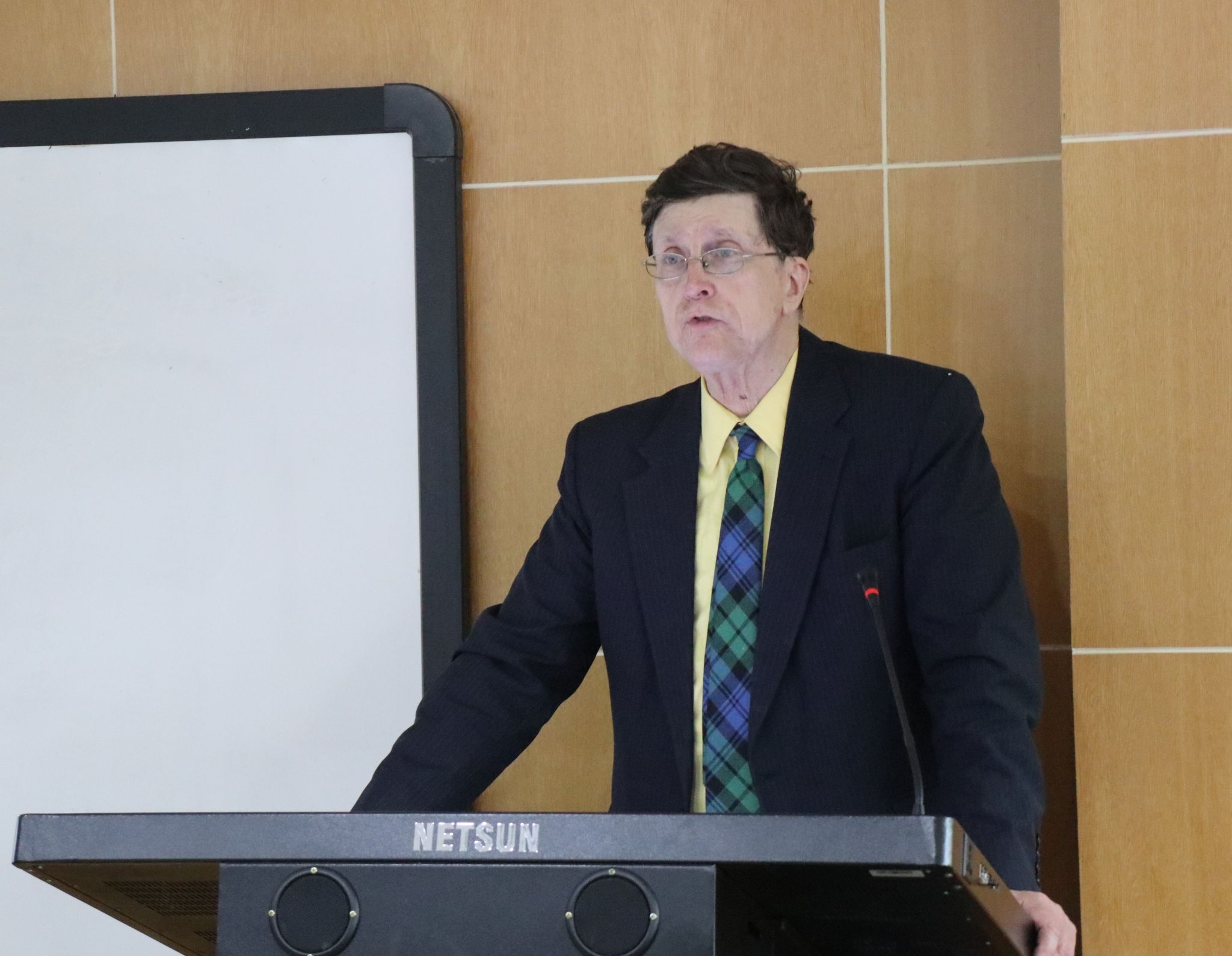
From the perspective of traditional Chinese wisdom, Professor Clifford Cobb pointed out that the concept of "non-action (wu wei)" is the core approach to overcoming the misunderstanding of "overly complicated solutions" in current social and ecological governance. He emphasized that "wu wei" does not mean passive inaction, but acting in accordance with natural laws to facilitate the self-repair of ecosystems. He put forward four practical principles: "following nature", "viewing the whole", "being humble", and "focusing on the key". He also called on the global community to value the contemporary value of this concept to promote the construction of global ecological civilization.
Fan Meijun started with the question: "Why can ecological civilization be first realized in China?" and introduced the new philosophical and aesthetic paradigm of organic aesthetics. She systematically explained the core of Whitehead's organic philosophy, including the two core ideas: "the universe is an organic whole" and "all things have intrinsic value", which are highly consistent with the Chinese traditional idea of "harmony between man and nature". With the concept of "prehension", she clearly clarified the worldview foundation of this philosophy.
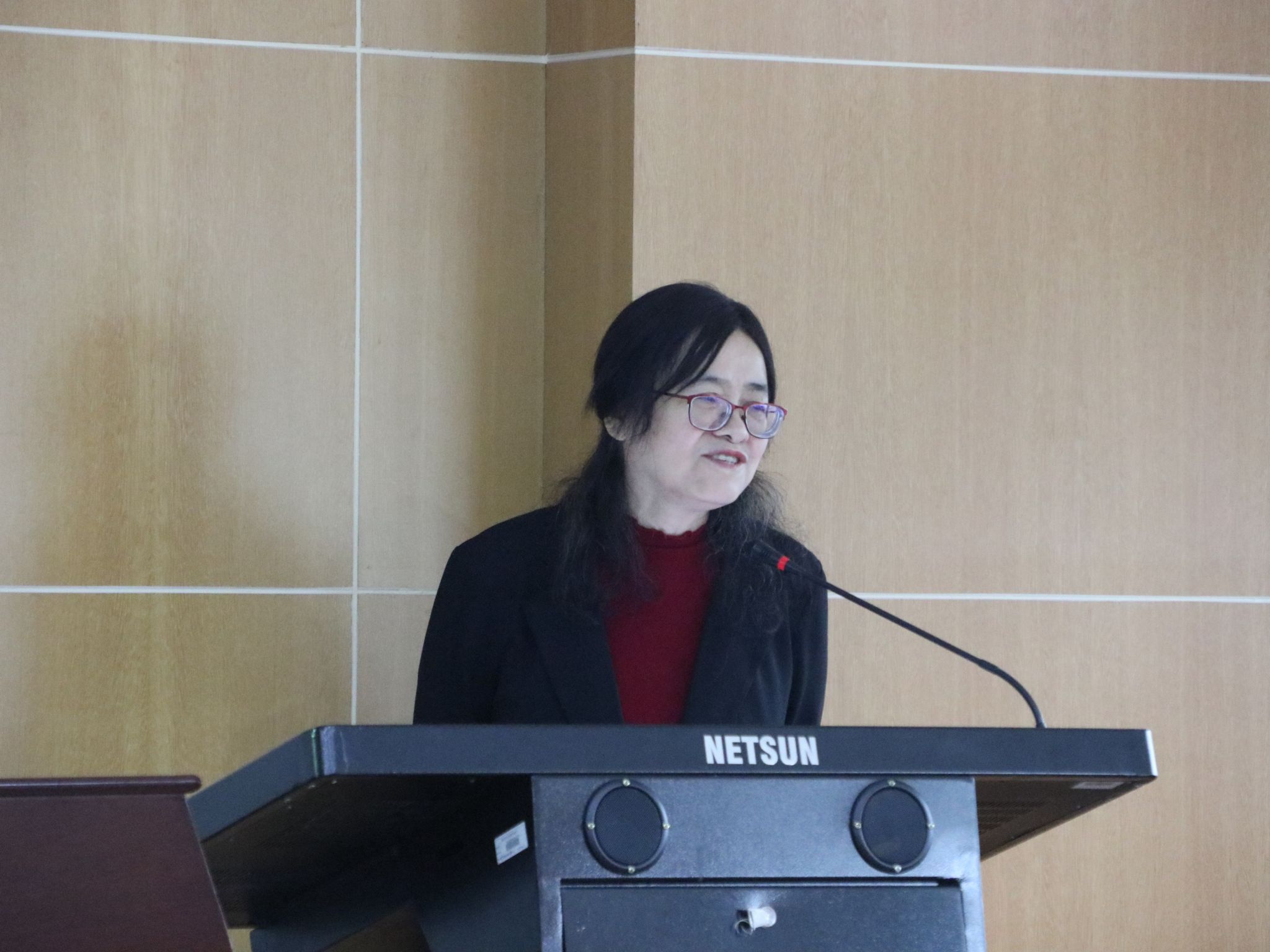
Furthermore, she elaborated on the core claims of organic aesthetics, breaking the traditional cognition that "aesthetics is exclusive to human beings", and stressed that aesthetics is a universal "language" of all things in the universe. This theory not only provides theoretical support for the construction of ecological civilization from the aesthetic dimension, but also inspired the faculty and students to rethink the relationship between man and nature.
Wang Zhihe began with vivid cases to explain "what postmodernism is", dispelling the vague understanding of the public. He pointed out that postmodernism, which emphasizes innovation, inclusiveness and pluralistic beauty, has been integrated into social development. At present, as ecological civilization has become a global consensus, the "ecological person" has become a representative "comprehensive talent" in postmodern society, with the ability to integrate, break barriers and transform things.
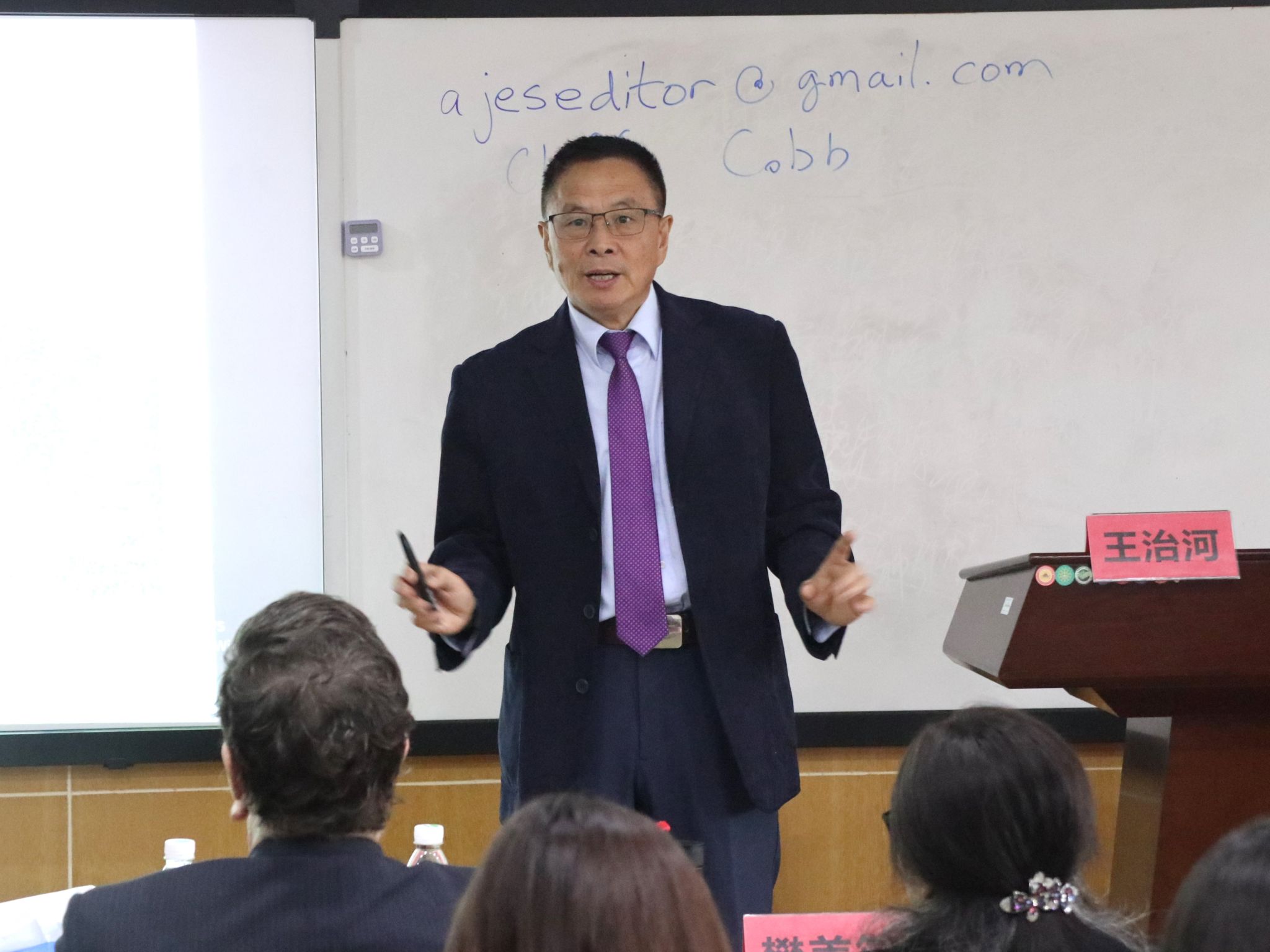
Then, he interpreted the six key characteristics of the postmodern ecological person in detail. Finally, he stressed that against the background of the growing limitations of modern industrial civilization and the accelerating rise of postmodern ecological civilization, becoming an "ecological person" is not only in line with the trend of the times, but also an important way for individuals to participate in ecological construction.
This session of the Red Rock Lecture Series was both a feast of ideas and a practical mobilization. The three experts closely combined abstract philosophical thoughts with vivid ecological practices, which not only built a cross-cultural and interdisciplinary academic exchange platform for faculty and students, but also provided profound theoretical insights and new paths for the construction of ecological civilization. In the future, faculty and students will keep the inspiration from the lecture, practice the ecological concept in study and life, and contribute to promoting the construction of ecological civilization.

