On the afternoon of March 11, 2026, the 88th session of the Red Rock Lecture Series was successfully held in Room 412, School of Marxism, Chongqing University. Professor Wang Rui from the Department of History, East China Normal University was invited to deliver a special lecture entitled "Socialist Doctrines in Modern China – An Intellectual History Perspective". The lecture was chaired by Associate Professor Bai Bing from the School of Marxism. Xu Kun, Deputy Dean of the school, Du Junhua, Chen Xiangyong, and other faculty members and students attended the event.
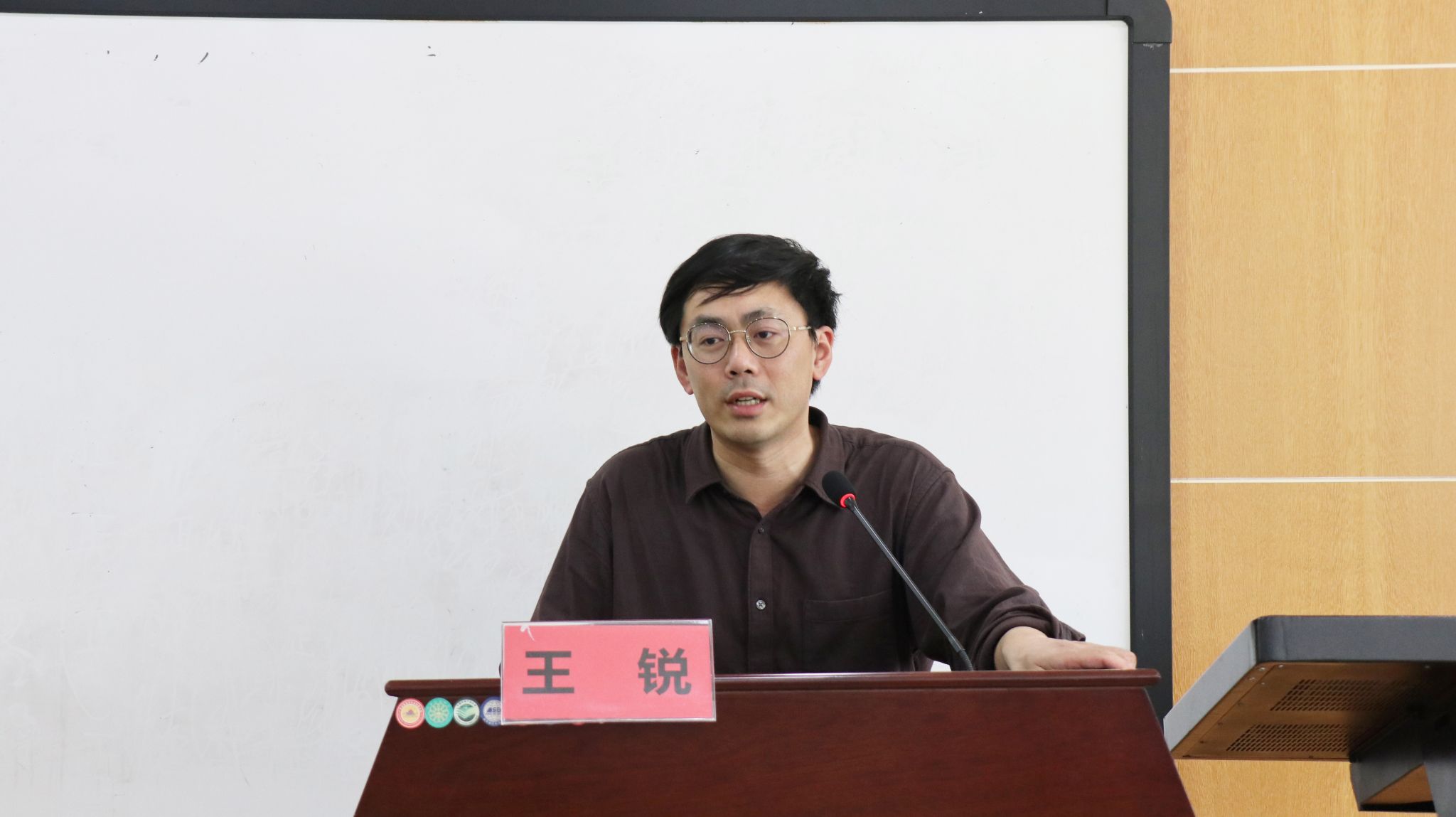
Professor Wang Rui systematically reviewed the spread and localized construction of socialist doctrines in modern China, explained the internal logic of their introduction, evolution and integration, and profoundly revealed the deep connection and historical resonance between this ideological trend and modern China's efforts to survive the national crisis, social transformation and political reform. He pointed out that after the First Sino-Japanese War, socialist doctrines were introduced into China from Japan and gradually spread, becoming an important topic in the ideological circle during the late Qing and early Republican periods, and also laid a key ideological foundation for intellectuals such as Liang Qichao. After the outbreak of the First World War, scholars represented by Du Yaquan and Li Dazhao carried out rational reflections on modern Western civilization, and devoted themselves to promoting the integration and mutual learning between Marxism and traditional Chinese Confucianism. After the October Revolution, Lenin's theory of imperialism precisely met the aspirations of the Chinese nation for independence and liberation, which greatly promoted the wide spread and deep rooting of socialist thoughts in China. Since then, the debate on social history and the New Enlightenment Movement continued to deepen the integration of Marxism with China's specific realities, making it ultimately a core theoretical support and fundamental ideological guidance for solving the problems of national salvation and development in modern China and leading the direction of social transformation.
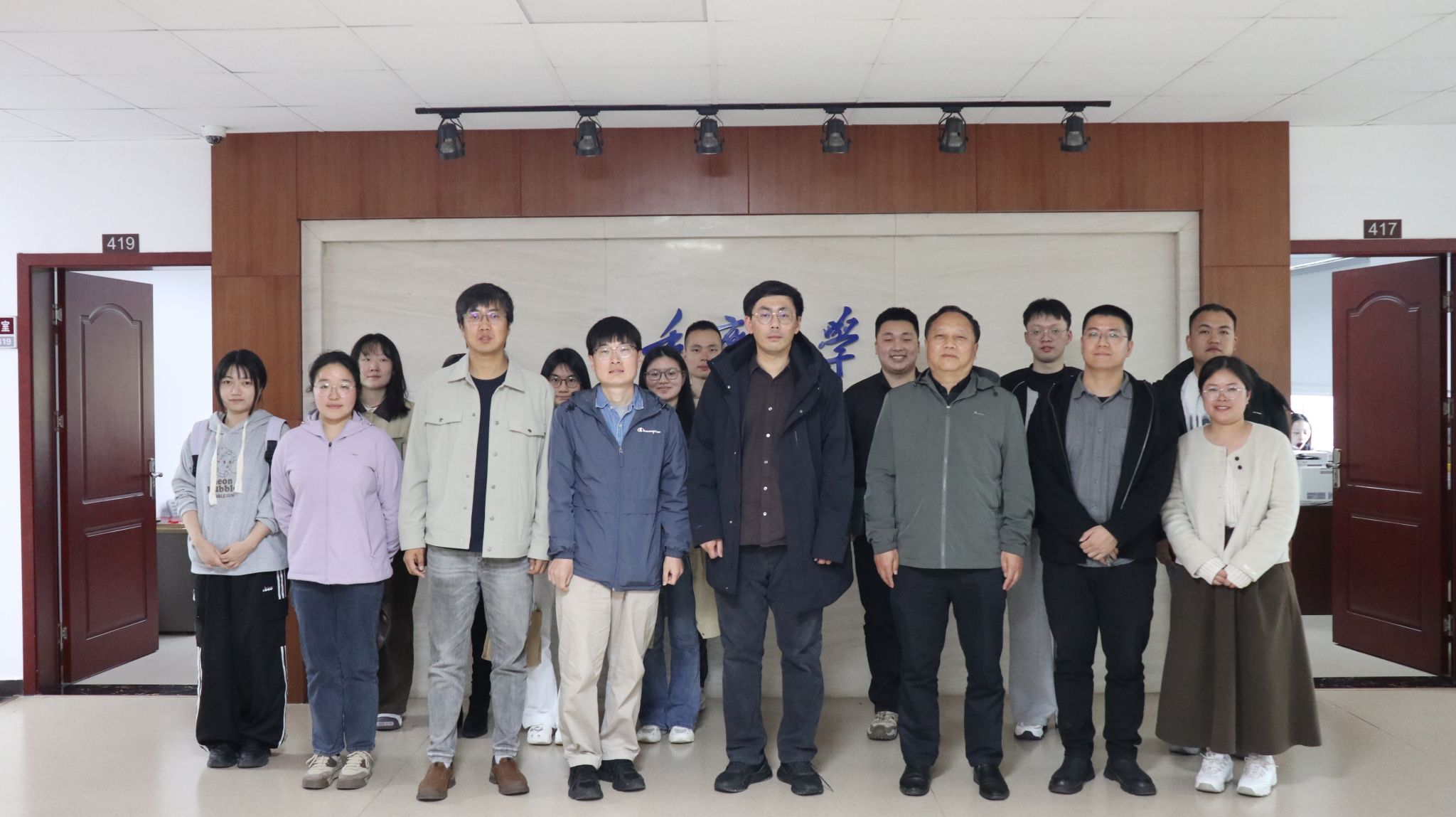
In the interactive session, teachers and students present conducted in-depth discussions and full exchanges on core topics including the spread and localization of socialist doctrines, as well as the dissemination paths and practical effects of socialism in different countries. Based on abundant historical materials and solid research accumulation, Professor Wang Rui responded to relevant questions one by one. He emphasized that historical research must adhere to the dual perspective and dialectical unity of the macro-era context and micro-ideological evolution. He also encouraged young students to strive for innovative breakthroughs in research perspectives, abide by academic norms, ensure a rigorous and self-consistent argumentation system, and continuously improve the depth and validity of historical research in the study of historical materials and academic exploration.
The holding of this Red Rock Lecture not only effectively broadened the academic horizons of teachers and students, but also further inspired everyone to think deeply about the spread of early socialism in China and its internal connection with the Chinese revolution, triggering extensive and profound ideological resonance.

